


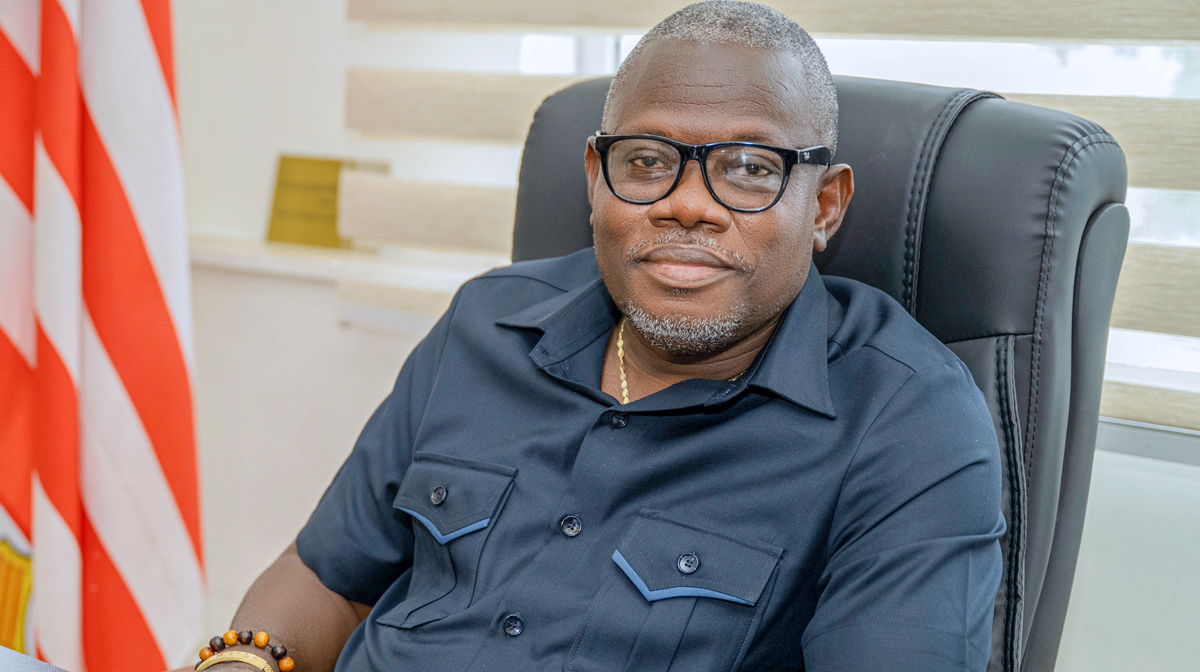
29 Jan Interview with Hon. Jerolinmek Matthew Piah, Minister of Information, Cultural Affairs and Tourism, Liberia
How would you describe the cultural identity of Liberia today and what makes Liberia’s heritage unique within the African continent?
Liberia has long been described as a cultural mosaic, reflecting the diversity of its people. However, our civil war revealed that this unity was not complete. A divide existed between Americo-Liberians, descendants of freed slaves from America, and the indigenous population they encountered. The conflict highlighted this tension, and there were also divisions among the indigenous groups themselves, often shaped by ethnic differences and power struggles.
Despite representing the minority, Americo-Liberians led the country for over a century, which contributed to these divisions. In the 1980s, Liberia had its first indigenous president, but divisions remained among the native population. This challenged the idea of Liberia as a true cultural mosaic – though we have always had diverse groups with unique and impressive cultural values.
What makes Liberia different from other African countries is the early intermixing with freed slaves from America, who brought Christianity, governance systems, and other cultural influences. These blended with indigenous traditions, beliefs, and practices, creating a unique cultural identity that is both traditional and deeply interconnected with Liberia’s historical foundations.
In terms of tourism, what are Liberia’s most compelling destinations or hidden gems that you hope to promote to international travelers?
Providence Island in Monrovia represents the origin of the Republic of Liberia. While indigenous people lived here, it was the freed slaves from America who declared nationhood and established the mission on the island.
For cultural history, visitors can explore the National Museum, which houses important artifacts. Recently, we have focused on ecotourism, with attractions like Kpatawee Waterfall in Bong County and Sapo National Park. Historic sites and monuments to Liberia’s founding leaders also draw visitors, reflecting both our rich history and natural beauty.
When Liberia hosted the OAU summit for the first time in 1979, villas were built along the grounds of Hotel Africa to lodge visiting heads of state. Today, these villas remain a historic attraction. Traveling across southeastern Liberia, visitors will find stunning savannahs and natural beaches along the Atlantic – far more impressive than artificial beaches elsewhere.
We are also developing cultural villages, memorials, and traditional sites, which showcase our history and heritage. Liberia controls over 50% of the West African rainforest, a vital part of Africa’s remaining biodiversity. We are actively preserving it and protecting key species like elephants and hippos. Beyond culture, our social and entertainment scene, like D’Calabash Hotel, leaves a lasting impression on visitors, encouraging them to return.
Liberia is often referred to as “Africa’s oldest republic” – how do you see this legacy reflected in today’s cultural and societal landscape?
Politically and culturally, Liberia has long been a model for self-governance in Africa. During struggles against colonialism and apartheid, many freedom fighters – including Nelson Mandela and the ANC – found sanctuary here. As the continent’s oldest independent republic, we offered lessons in governance, blending tradition with democratic practice. Even today, our peaceful transitions of power and respect for democratic processes serve as examples for other countries.
How do you envision the role of Liberian arts, music, and storytelling in shaping national identity and inspiring future generations?
Liberian entertainment is unique. Before the war, we were already producing African movies, led by pioneers like Kerkura Malawala, our current arts and cultural ambassador, and Peter Ballah (“Flomo”), drawing large audiences. The war disrupted this, but today Liberia is back to producing its own films and music. Artists like CIC are collaborating internationally, promoting Liberian culture, identity, and values through music and film. The Ministry of Information supports the industry, and initiatives with partners like UNDP are helping creatives showcase Liberia to the world.
Are there any initiatives to encourage the Liberian diaspora to return, and are there opportunities to partner with local entrepreneurs or business leaders?
Recently, we held a diaspora homecoming, welcoming Liberians from the U.S., Europe, and beyond. From September 26–28, we will host the Liberia Annual Diaspora Summit in Washington, D.C., attended by the president, business leaders, artists, and citizens from diverse backgrounds. Registration has already exceeded expectations, reflecting the diaspora’s strong engagement and commitment to Liberia. Their remittances alone at times surpass the national budget, highlighting the vital role they play in our country’s development and economy.
What is your final message for the influential readers of USA Today about choosing Liberia as their next business and investment destination?
Liberia is open for business, safe, and a longtime ally of the United States. With over 460 miles of coastline, eco-parks, and year-round surfing – dubbed Africa’s surfing mecca by The New York Times – Liberia offers unique tourism experiences. At a crossroads, the country aims to become a destination nation for investment. Friendly and hospitable, Liberia is a hidden gem where visitors can explore natural beaches, rainforests, wildlife, and cultural landmarks like Providence Island and the National Museum. Our culture blends indigenous traditions with diverse global influences, and Liberians are known for their warmth and hospitality.
For the diaspora, Liberia remains a land of opportunity and a place to invest. Plan your visit at enjoyliberia.travel, managed by the Ministry of Information.