


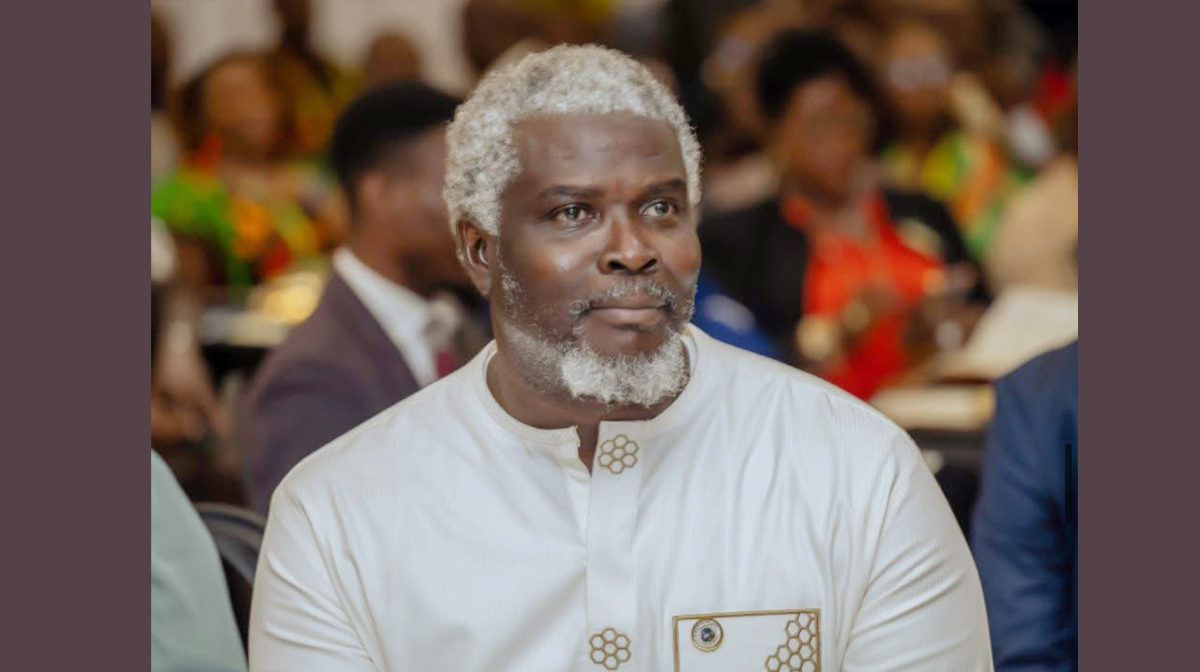
29 Jan Interview with Amb. Christopher Hayes Onanuga, Presidential Special Envoy on Tourism to the President of the Republic of Liberia
What does tourism mean for Liberia?
Before 1990, Liberia was one of Africa’s top tourism hubs, competing with destinations like Egypt. The civil crisis slowed the sector, but today—with the Tourism Authority now separated from the Ministry of Information and Cultural Affairs—tourism is positioned for a major leap forward, benefitting both the government and the Liberian people directly. Liberia’s natural landscapes, waterfalls, and biodiversity make it a prime destination. We are focusing on tourism education, branding, and marketing Liberia, beginning with sensitization and orientation to build self-belief, cultural identity, and pride in our gastronomy, music, and heritage.
Many people don’t realize that Afrobeat traces back to Liberia, a country with one of West Africa’s richest musical histories. With vast coastlines, wetlands, hydropower reserves, and incredible wildlife, we have untapped potential that can drive sustainable development. Above all, Liberia is known for its warmth and friendliness.
Visitors often fall in love with the country—and that is part of what makes our tourism unique. When it comes to food and pastry, West Africans know Liberia’s richness. So why aren’t we selling ourselves to the world? Liberians are intelligent, hospitable, and blessed with extraordinary natural resources—every plant here has medicinal value. We need to showcase what we have and strengthen domestic tourism. It doesn’t require billions—just practical rules, accessible infrastructure, and decent accommodations.
Rural tourism thrives when visitors feel secure, have access to good healthcare, eat local food, and experience culture authentically. When Liberians embrace and take pride in their heritage, international tourists feel that energy and positivity. Liberia’s beauty already exists—it simply needs its story to be intentionally told. That is why we developed a five-step tourism education plan: sensitization, orientation, branding, reintroducing Liberia, and marketing it globally. Liberia is poised to become a festival capital, tapping into the 55 million people of the Mano River Belt—Guinea, Côte d’Ivoire, Sierra Leone, and Liberia.
The diaspora has long supported us across the Atlantic, but we also have a huge regional market at home. Investing in domestic tourism strengthens local engagement and naturally attracts the diaspora, turning them into long-term visitors and investors. For a long time, only one narrative of Africa was told, and the diaspora was hesitant.
Now, African Americans are eager to return—but they want a full African experience, not just one country. Liberia is unique: it has intentionally welcomed many others throughout its history. Barbadians, Congolese, Haitians, and others settled here voluntarily, enriching Liberia’s culture and cuisine. Today, our culinary landscape reflects this diversity, with over 200 distinct dishes—a testament to Liberia’s heritage. The great thing about tourism in Liberia is that the President, with his background in agriculture, understands its value across every sector. Tourism is a national enabler of growth—it engages people, nature, and communities. It also serves as a tool for monitoring and evaluating development, naturally enforcing standards without coercion.
Ultimately, tourism drives economic growth, national happiness, and wellbeing. People travel to relax, explore, and connect—and tourism creates opportunities for everyone, turning people into independent entrepreneurs. We are introducing 15–20 low-capital, high-return jobs, such as maggot farming, which provides 60% of nutrients for poultry, fish, and pigs. We are also promoting commercial pumpkin cultivation—its stems feed fish and pigs naturally, boosting growth without chemicals, while pumpkins support nutrition and local crafts.
At the airport, handmade beads sell for $20–$40 but cost less than $2 to make. Small, low-cost ventures like maggot farming—starting with just 50 flies and a $300 investment—can transform lives. Tourism education empowers people with knowledge, confidence, and practical skills to create wealth. On our farm, we are developing 600 acres with oranges, guava, soursop, butter pears, and coconuts, aiming to plant 10,000 coconuts along the roads to provide shade. We are preparing for watermelon and juice production, installing solar irrigation, and building warehouses—laying the foundation for a fully integrated native resort. Guests will be able to pick their own animals and enjoy a true farm-to-table experience. They can participate in farming, prepare their own food, and work alongside the chef—fully engaging with the process while still enjoying the comfort of being a guest.
Tourism has hundreds of sectors, each capable of driving economic growth. Liberia can tap into global tourism revenues, including eco-tourism and natural resources like edible kelp, valued at $500 billion annually worldwide. We also aim to regulate and license activities like shisha, balancing tourist demand with public health and citizen wellbeing. Liberia’s cultural heritage is rich but needs organization and repackaging—from music and dance to our traditional institutions.
Over the next five years, we aim to fully establish the tourism sector by segmenting the country—developing priority areas while encouraging private-sector investment across other regions in a coordinated way. With institutions like the Special Economic Zone and improved infrastructure, travel is becoming faster, rules are more enforceable, and costs are lower—even during the rainy season.
This intentional development positions Liberia to make a strong mark on the global tourism landscape. Liberia has a rich history. Before the conflict, it was a top vacation destination in Africa. Many Liberians fought for freedom abroad and still have family ties in the United States—and I believe they should have citizenship opportunities.
Tourism also relies on strong institutions, especially the airport, which forms the country’s first impression. We are modernizing it and aiming for international certification by December or January. Once certified, more international airlines will come, lowering travel costs and expanding access. Water treatment, security, immigration, and all service personnel must operate efficiently and hospitably. Counterterrorism, anti-drug measures, and other essential systems are already in place.
I strongly believe that in a short time, Liberia will be fully prepared to welcome tourists safely and seamlessly.