


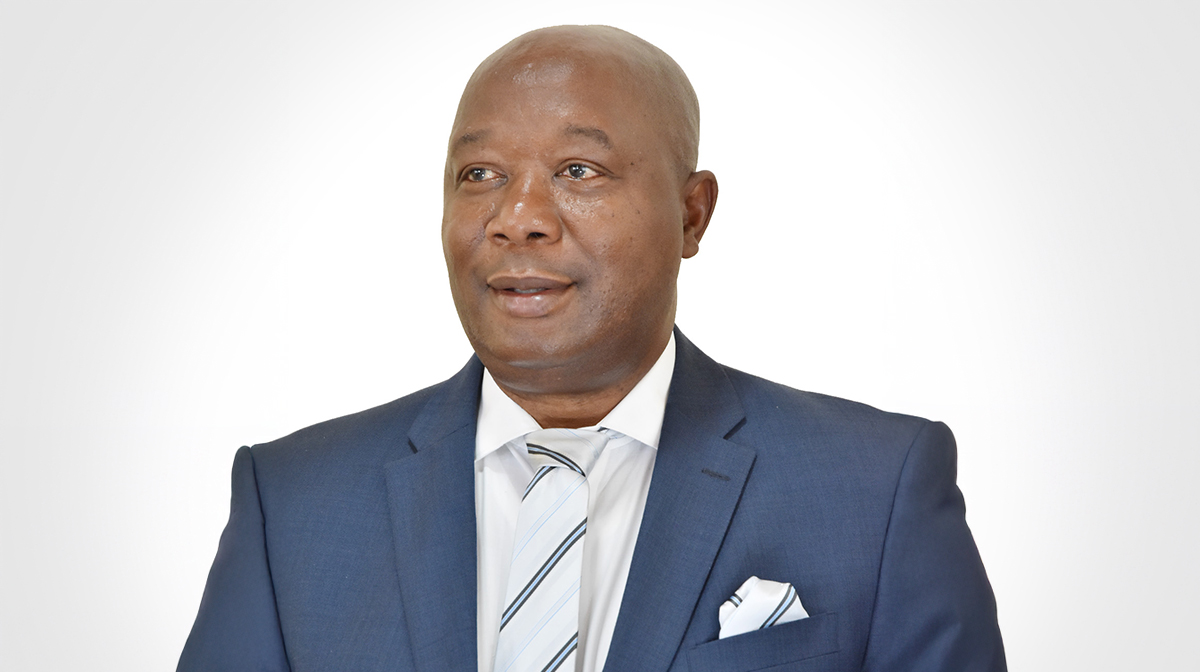
29 Jan Interview with Hon. Jeff B. Blibo, Chairman of National Investment Commission (NIC), Liberia
What are the National Investment Commission (NIC) of Liberia’s priorities for unlocking investment, and what services does it provide to investors?
Liberia now has a clear national development vision articulated by the President, centered on infrastructure, rule of law, education, sanitation, tourism and economic growth. Development must be integrated – energy, roads and agriculture must advance together.
At the National Investment Commission (NIC), working with the Ministry of Finance and the Liberia Revenue Authority, we have established a framework to attract investment into priority sectors such as agriculture, mining and infrastructure. We offer short- and long-term incentives to make Liberia competitive, tailored to each project based on investment size, job creation and expected tax contributions.
Incentives may include duty-free importation of equipment and, in some cases, GST waivers. Short-term incentives typically run for three years, while longer incentives, up to 10 or 15 years, require legislative approval, which we help investors navigate. Our approach is flexible and dialogue-driven, ensuring projects are structured for long-term success.
What opportunities are being promoted to attract U.S. investors, and how can American businesses play a greater role in Liberia’s growth?
Attracting U.S. investment is a top priority. Liberia and the United States share deep historical ties, and we are now focused on expanding that relationship through investment, particularly in energy and infrastructure. The Millennium Challenge Compact helped revive the Mount Coffee hydropower plant, and we are preparing for a second compact to build on that foundation.
Energy remains the key constraint to growth. Strengthening this sector will unlock wider U.S. investment in agriculture, mining and services. We are also actively engaging the Liberian diaspora. With the new dual citizenship law, Liberians abroad can now fully invest across the economy, including in sectors reserved for Liberians. Many bring capital, skills and experience that can accelerate national development.
When asked what Liberia’s top priority should be, my answer was simple: energy. Without it, no economy can grow.
Liberia signed a US$1.8 billion agreement with Ivanhoe Atlantic to modernize port and rail infrastructure. How could this investment unlock further U.S. participation?
Liberia has strong potential in mining, particularly as a logistics and export hub. Transporting minerals from southern Guinea through Liberia to the Port of Buchanan is significantly more efficient than routing them through Conakry. Liberia’s coastline reaches deep water within three kilometers, while Conakry requires extensive dredging and longer routes.
These logistical advantages make Liberia attractive to major mining companies such as Ivanhoe and ArcelorMittal, which prioritize cost efficiency and access to markets. There is also potential for regional collaboration, including energy-for-minerals arrangements with Guinea. Beyond mining, upgraded rail and port infrastructure would support regional trade in agriculture and other sectors, positioning Liberia as a logistics gateway for West Africa.
How is Liberia positioning itself to take advantage of AfCFTA, and what role do you see for foreign investors in making Liberia a regional trade hub?
Liberia is well positioned for regional trade, supported by its strong ties with the United States and a dual-currency system that allows businesses to operate in either Liberian or U.S. dollars. At the National Investment Commission, we focus on removing barriers for investors, including allowing 100% profit repatriation.
Regional frameworks such as AfCFTA, ECOWAS, and the Mano River Union give Liberia an advantage as a gateway economy. Our Freeport has historically served regional markets, and southern Guinea and parts of Côte d’Ivoire already trade naturally through Liberia. As demonstrated by the Ivanhoe logistics model, companies can establish operations in Liberia and access markets across Africa without duplicating structures in every country.
With over 60% of Liberia’s population under 25, how is the National Investment Commission leveraging this demographic advantage to attract investment and create jobs?
Liberia’s youthful population is one of its strongest assets. Liberians are educated, English-speaking, and highly trainable, with strong demand for employment opportunities. For investors, this means access to a deep talent pool—one job opening can attract hundreds of qualified applicants.
Liberia’s proximity to the U.S. and its shared time zone with the U.K. position it well for business services and business process outsourcing, an area where companies currently look to Asia despite time-zone challenges. With basic infrastructure in place, firms can operate efficiently in Liberia while accessing regional markets through AfCFTA.
The country also offers strong opportunities in minerals, agriculture and renewable energy. Liberia has land, water, sunlight and skilled labor, but often lacks capital and access to off-takers. Foreign partners can bridge this gap by providing investment and market access, while Liberia contributes labor, resources and local expertise, creating value for both sides.
What is your final message to our readers about strengthening the economic and business ties between Liberia and the U.S.?
Investors should continue to look at Liberia. Potential alone isn’t enough – we need investors committed to turning it into results. While infrastructure gaps in energy and transport still exist, they also present opportunities for investors to grow alongside the country. Liberia offers currency stability, full profit repatriation, abundant natural resources and preferential access to a continental market of over one billion people.
We are actively strengthening the investment environment and invite partners who are ready to convert Liberia’s potential into long-term, sustainable results.